If you are shopping for an instant activation IPTV service, you are probably tired of waiting. Waiting for cable installs, waiting for support tickets, waiting for apps to sync, and waiting for game day access that should have been available already. Speed matters, but speed alone is not enough. What you really want is fast access that actually works the first time.
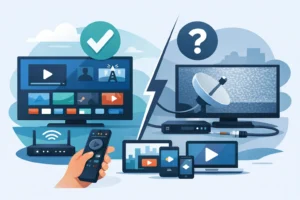
That is the difference between a basic IPTV login and a service built for immediate use. A true instant activation setup should let you subscribe, receive your credentials quickly, load them on your preferred device, and start watching live TV, sports, movies, and series without a long setup process. For viewers in the US and Canada, especially households trying to replace cable, that convenience is a major selling point.
What an instant activation IPTV service really means
The phrase gets used a lot, and not always honestly. In practical terms, an instant activation IPTV service means your account is provisioned right after purchase or within a very short window, often with automatic or near-automatic delivery. You should not need to wait a day for someone to manually build your subscription unless there is a payment review or a custom setup involved.
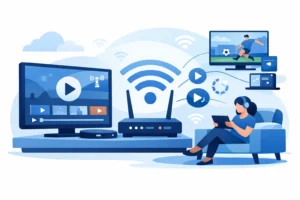
For most users, activation should include the essentials right away. That usually means a login method such as Xtream Codes or an M3U line, server details, and basic setup instructions. If the provider supports common devices like Firestick, Android TV, Smart TVs, iPhone, iPad, IPTV boxes, and STB-compatible systems, the process should stay simple across platforms.
Fast activation matters most when the reason for subscribing is urgent. Maybe you want tonight’s playoff game. Maybe you are replacing a cable package that just got canceled. Maybe you want one service that covers local channels, premium sports, movies, and international content without stacking five different subscriptions. In those situations, waiting 12 to 24 hours feels like a step backward.
Why speed matters, but reliability matters more
An instant activation IPTV service sounds great on the checkout page. The real test begins after login. If streams freeze, channels fail to load, or the lineup is badly organized, quick activation stops being useful.
This is where buyers need to think beyond the first five minutes. A strong IPTV service should combine fast onboarding with stable streaming, broad content coverage, and support that answers when something goes wrong. Sports viewers feel this most. Nobody cares that activation was fast if the NFL feed buffers in the fourth quarter or if UFC events fail to load during peak traffic.
The better approach is to judge the whole package. Activation speed gets you in the door, but uptime, anti-freeze performance, HD and 4K stream quality, and responsive support determine whether you stay. For cord-cutters, value-conscious families, and multilingual households, that long-term reliability is what makes IPTV feel like a real cable replacement instead of a temporary workaround.
What to expect right after you subscribe
A good instant activation IPTV service should make the first steps obvious. After payment, most users expect to receive account details quickly, either on-screen, by email, or through a customer portal. You should know exactly what app to use, what login format is required, and how many devices are included in your plan.
This is also the point where clear communication matters. Some services activate one connection by default and charge extra for multi-device use. Others offer plans built for two, three, or more simultaneous streams. That distinction matters in real homes. If one person is watching live sports in the living room and another wants movies on a tablet, a single-connection plan will not feel like a bargain for long.
The best providers remove guesswork. They tell you what content is included, which devices are supported, whether local and regional channels are available, and how to get help if setup hits a snag. A service like PureVisionHD is built around that low-friction model because the target customer is not looking for a technical project. They want to sign up, log in, and watch.
Devices and apps that make setup easier
Not every device gives the same experience. That does not mean one option is right for everyone, but it does mean ease of use should be part of your buying decision.
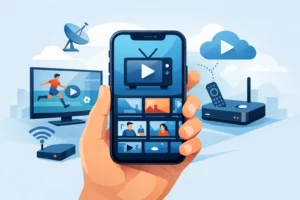
Firestick remains popular because it is affordable and familiar. Android TV boxes and dedicated IPTV boxes appeal to users who want more control and a more TV-like interface. Smart TVs can be convenient, though app support varies by brand. Mobile devices are useful for flexibility, but they are rarely the main setup for households replacing cable full time.
If you want the closest thing to plug-and-play, IPTV boxes and STB-style setups usually feel the most natural. If you want the fastest low-cost start, Firestick and Android apps are often enough. The trade-off is simple: easier hardware can cost more upfront, while app-based setups can be cheaper but require a little more user input.
Content is still the main reason people switch
Fast activation gets attention because it solves an immediate pain point. Content is what closes the sale. Most buyers are not hunting for technology features first. They want access to live channels, premium sports, current movies, popular series, and local programming in one place.
For North American viewers, sports is often the deal-breaker. NFL, NBA, NHL, MLB, UFC, and major pay-per-view access can heavily influence which service wins. Families and multicultural households look at channel variety differently. They want entertainment for different age groups, languages, and viewing habits without paying for separate bundles across multiple platforms.
Regional relevance matters too. A provider that understands the Canadian and Quebec market has an advantage with viewers who want local channel access alongside US content. That mix helps IPTV feel less generic and more useful on a daily basis.
How to tell if a service is actually worth buying
An instant activation IPTV service should be judged on four things: speed, stability, compatibility, and support. If one is missing, the experience usually suffers.
Speed means activation is fast and setup instructions are easy to follow. Stability means streams load consistently, especially during peak sports hours. Compatibility means the service works across the devices you already own or plan to use. Support means there is real help available if credentials fail, apps misbehave, or account questions come up.
Price matters, but cheap plans can become expensive if they waste your time. A lower monthly rate is not a win if you spend every weekend troubleshooting channels. On the other hand, the highest price is not automatically better either. The smartest buyers compare what is included: number of channels, VOD library depth, simultaneous connections, stream quality, and how quickly support responds.
Trials can help, but they are not the whole story. A short test may show whether the interface works on your device, but it may not reveal how the service performs during major live events. That is why reputation, consistency, and support responsiveness matter alongside any trial period.
Common issues buyers should think about first
Even the best service has variables. Home internet quality affects performance. Older hardware can slow down app responsiveness. Some users expect every app to look and behave exactly the same across every device, which is rarely the case.
There is also a difference between access and experience. A service may offer 20,000 plus channels, but if the categories are cluttered or the EPG is incomplete, browsing can feel less convenient than expected. Big content libraries are valuable, but only when they are organized well enough to use.
That is why practical fit matters more than marketing claims alone. If you mainly watch sports and local channels, prioritize stream stability and lineup quality in those areas. If your household watches across multiple screens, focus on multi-device plans and app compatibility. If you want a cable-like feel, invest in hardware that makes navigation easier.
Who benefits most from instant activation
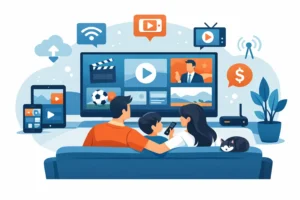
This model works best for people who want immediate entertainment without appointments, contracts, or complicated setup. Cord-cutters replacing expensive cable are an obvious match. So are sports fans who need reliable access before a live event starts. Families benefit too, especially when they want one account structure that supports different devices and different content preferences.
It also suits people who are simply tired of subscription stacking. Paying separately for live TV, sports packages, premium movie apps, and international channels adds up fast. IPTV appeals because it consolidates that experience into one service with a faster path from purchase to playback.
The best part is not just getting access quickly. It is getting access quickly without sacrificing the features that matter once the excitement of signup wears off.
If you are comparing options, look past the promise of instant activation and ask a better question: once the service is live, will it still make your viewing easier next week, next month, and during the next big game? That is where the right choice proves itself.