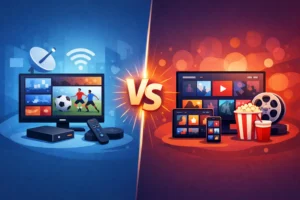
Cable bills in Canada keep climbing, but the experience often feels stuck in place. You pay more, get locked into bundles you do not want, and still end up adding extra apps for sports, movies, or international channels. That is why more viewers are asking a simple question: is IPTV better than cable in Canada? For a lot of households, the answer is yes – but only if you choose a service that delivers stable streams, fast setup, and the channels you actually watch.
IPTV better than cable Canada: why the shift is happening
The biggest reason people switch is value. Traditional cable has a familiar setup, but it also comes with old limits. You usually pay for hardware rentals, package upgrades, installation appointments, and long channel lists filled with networks you never open. If you want premium sports, multicultural content, French-language channels, or movie add-ons, the monthly total can rise fast.
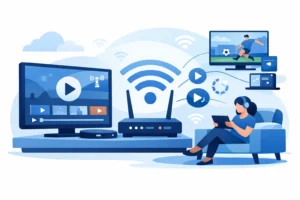
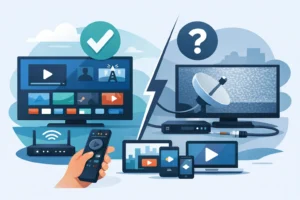
IPTV changes that model. Instead of relying on old cable infrastructure, it delivers TV over your internet connection. That means more flexibility from the start. You can watch on a Smart TV, Firestick, Android box, phone, tablet, or STB-compatible device without turning your living room into a telecom installation project. For viewers who want fast activation and fewer moving parts, that matters.
There is also the content issue. Cable can still cover the basics, but many users feel boxed in by narrow packages and expensive premium tiers. A strong IPTV service gives you access to live TV, sports, movies, series, and regional channels in one place. That is a better fit for people who are tired of juggling cable plus multiple streaming subscriptions.
Cost is usually where IPTV pulls ahead
If your goal is to cut monthly spending without cutting entertainment, IPTV has a real advantage. Cable pricing in Canada often starts at a number that looks manageable, then climbs once equipment fees, sports upgrades, and extra boxes are added. Households with multiple TVs usually feel that the hardest.
IPTV plans are typically simpler. You choose a term, pick the number of devices you need, and start watching. That is a cleaner buying decision. It also makes more sense for families that want one service across different screens instead of paying for separate cable hardware in multiple rooms.
The savings become more obvious when sports are part of the picture. Cable providers know live sports keep people subscribed, so premium access is often priced accordingly. IPTV can be more attractive for NHL, NFL, NBA, UFC, and other major events because the content is consolidated instead of split across layers of add-ons.
That said, cost should not be the only factor. The cheapest service is not automatically the best one. If stream quality is poor or support is slow, low pricing stops looking like a win pretty quickly.
Channel variety is one of the biggest differences
For many Canadians, cable feels limited not because it has too few channels overall, but because too few of them are relevant. You may get hundreds of stations and still struggle to find the exact regional, international, or specialty content your household wants.
This is where IPTV often feels like a better modern product. It is built around abundance and access. Instead of forcing viewers into rigid bundles, it can offer broad live TV coverage, premium sports, updated movie libraries, TV series, and region-specific content in one service. That matters for multicultural families, bilingual homes, and anyone who wants Quebec channels without paying for a complicated telecom package.
If your household mixes English, French, sports, kids programming, and international entertainment, cable can become an expensive compromise. IPTV is usually better at serving mixed viewing habits because it is designed for range, not narrow packaging.
Is IPTV better than cable in Canada for sports fans?
For sports fans, this is often the deciding category. Cable still has one advantage: people trust it because it has been the standard for live events for years. If you grew up watching hockey or pay-per-view through a cable box, that habit carries weight.
But habit is not the same as better value. IPTV is often the better choice for sports fans who want more complete access without stacking multiple subscriptions. Instead of paying one provider for basic cable, another for a sports package, and maybe another for specialty streaming, IPTV can bring more of that content into one place.
The viewing experience also matters. Good IPTV service is not just about having the event listed. It needs stable delivery, HD or 4K quality where available, and anti-freeze performance that holds up during peak demand. Live sports expose weak services fast. If streams buffer when the game is on the line, the channel count means nothing.
That is why provider quality matters more than the IPTV vs cable label by itself. A solid service built for performance can absolutely beat cable on flexibility and content access. A weak service will not.
Reliability depends on the provider and your internet
This is where the conversation needs some honesty. Cable still benefits from being familiar and relatively consistent in many homes. It is a closed system, so users tend to think of it as more dependable by default.
IPTV can be extremely reliable, but it depends on two things: the service infrastructure and your home internet. If you already have stable broadband, IPTV has a strong foundation. If your internet struggles with speed or congestion, your TV experience will reflect that.
The provider side matters just as much. Fast servers, anti-freeze technology, responsive support, and proper app compatibility are what separate a strong service from a frustrating one. Viewers do not want to troubleshoot every night. They want something that starts quickly, works on their devices, and keeps running when everyone else is watching too.
That is why a serious IPTV provider focuses on uptime, easy setup, and support that answers real questions instead of sending canned replies. PureVisionHD fits that demand by focusing on instant activation, broad device support, and a stable viewing experience built for Canadian users.
Setup is easier than many cable customers expect
A lot of people assume cable is easier because it is older and familiar. In practice, IPTV can be much faster to get running. There is no need to wait for a technician, drill into walls, or schedule a home visit. If your device is compatible and your internet is ready, setup can be straightforward.
That convenience matters for cord-cutters and busy households. People want TV on the screens they already use. They do not want extra friction. IPTV works well here because it matches how people already consume content – on Smart TVs, streaming sticks, phones, tablets, and dedicated IPTV boxes.
It also makes travel and room-to-room viewing easier. Cable is still tied to hardware in a way that feels outdated for many users. IPTV is better aligned with modern viewing habits because it is not locked to one physical setup.
Who should stick with cable?
IPTV is not automatically the best choice for every person in every situation. If you have weak home internet, dislike app-based viewing, or want a fully traditional plug-in box experience managed by a telecom company, cable may still feel more comfortable.
Some users also prefer the predictability of one big provider, even if they pay more for it. There is a convenience to having internet, phone, and TV on one bill, especially for households that do not care about maximizing content variety.
But for viewers who are cost-conscious, sports-driven, multilingual, or tired of subscription sprawl, cable starts to look inefficient. The more content you want across different categories, the more IPTV tends to make sense.
So, is IPTV better than cable in Canada?
For most modern viewers, yes. IPTV is usually better than cable in Canada when you want more channels, better device flexibility, easier setup, and stronger overall value. It is especially attractive for sports fans, families with mixed viewing habits, and anyone frustrated by rising cable costs and fragmented streaming bills.
The real question is not whether IPTV can beat cable on paper. It is whether the service you choose can deliver the speed, quality, and reliability to make the switch worth it. Pick well, and cable starts to feel expensive, limited, and harder to justify every month.
If you are comparing your options right now, focus less on old habits and more on what you actually want from TV: more content, fewer restrictions, and a setup that works when you turn it on.