Movie night falls apart fast when the picture buffers, the app crashes, or half the shows you want are spread across five subscriptions. That is exactly why demand for 4k iptv for movies and series keeps growing. People want one service that loads fast, looks sharp, works on the devices they already own, and gives them more to watch without the usual streaming mess.
For most viewers, the appeal is simple. Better quality, more content, and less friction. But not every IPTV service delivers the same experience, especially when 4K is part of the promise. If your goal is smooth playback for films, full seasons of top series, and easy access across the household, the details matter.
What 4K IPTV for Movies and Series Should Actually Give You
A good IPTV service is not just a giant content number on a sales page. For movie and series fans, value comes from how the library is organized, how often it updates, and whether streams stay stable during peak hours. A service can claim thousands of titles and still feel frustrating if categories are messy, playback is unreliable, or video quality drops the second your internet gets busy.
The real advantage of 4K IPTV for movies and series is convenience with quality. You get a large on-demand catalog in one place, plus live TV if you want it, without bouncing between separate entertainment apps every night. That matters for households that watch a mix of blockbuster movies, premium dramas, kids content, and regional channels.
4K also changes the viewing experience when the service is built correctly. On a larger TV, the difference is easy to spot. Cleaner details, better texture in darker scenes, and a more polished look overall. For action films, nature documentaries, prestige series, and modern releases, higher resolution is not just a spec. It is part of what makes the content feel worth watching.
Why Some 4K Streams Look Great and Others Do Not
Not every 4K label means true premium quality. A lot depends on bitrate, server performance, source quality, and your device setup. If any one of those is weak, the stream may still play, but the picture can look soft, compressed, or unstable.
This is where many budget services disappoint. They advertise 4K, but the result feels closer to upscaled HD. That does not mean a lower-priced option is always bad. It means buyers should look past the headline and focus on the full viewing experience.
A strong IPTV setup for movies and series should offer stable servers, anti-freeze performance, and consistent playback during busy evening hours. It should also work well with capable hardware. A quality Smart TV app may be enough for some users, but others will get better results from a Firestick, Android box, or dedicated IPTV device with solid decoding support.
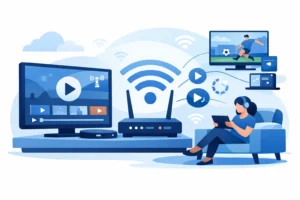
Internet speed matters too, but not in the way people often assume. Raw speed is only part of it. A fast connection with unstable Wi-Fi can still ruin 4K playback. If you are serious about picture quality, a reliable home network and a device that handles higher-resolution content properly will make a visible difference.
The Best Setup for 4K IPTV for Movies and Series
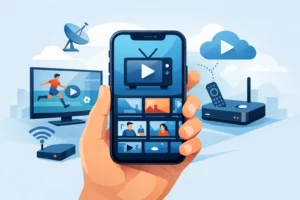
If your main goal is on-demand entertainment, choose a setup that keeps things simple. The ideal service should activate quickly, run on multiple platforms, and let you move from living room TV to bedroom screen to mobile device without relearning the system every time.
For many users, that means using IPTV on Firestick, Android TV, or a dedicated box. These setups are popular because they are easy to manage and usually offer a better app experience than older smart TV interfaces. Navigation is faster, playback is smoother, and remote control support is more practical for everyday use.
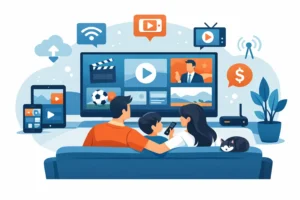
Multi-device access also matters more than people think. One person may want a late-night movie while someone else watches a series or live sports in another room. That is where plan flexibility becomes a real buying factor, not just a pricing detail. A service that supports simultaneous connections can replace more of your old cable and streaming stack without creating arguments in the house.
What Movie and Series Viewers Should Look for Before Buying
Content volume gets attention, but content freshness is what keeps a subscription useful. If movies and episodes are updated regularly, the service stays relevant. If the library sits still for weeks, even a huge catalog starts to feel stale.
Look for daily or frequent updates, organized categories, and a clear split between live channels and video-on-demand. That sounds basic, but it affects the entire experience. You should be able to find a new release, jump into a full season, or browse by genre without wasting time.
Support is another big factor. People often ignore support until something goes wrong. Then it becomes the whole story. Fast help with setup, app compatibility, login issues, or device configuration can save hours of frustration. For buyers who want cable replacement without the cable-company hassle, responsive support is part of the product.
Regional relevance matters too. In Canada and across North America, many homes want more than Hollywood content. They want local channels, sports coverage, French content, multicultural programming, and broad live TV access in one package. That is where a service with strong North American channel coverage becomes more useful than a movies-only platform.
When IPTV Makes More Sense Than Stacking Streaming Apps
There is no single answer for every household. If you only watch one or two original series a month, a couple of mainstream apps may be enough. But if you regularly watch movies, full TV seasons, live sports, news, kids programming, and regional channels, separate subscriptions start adding up fast.
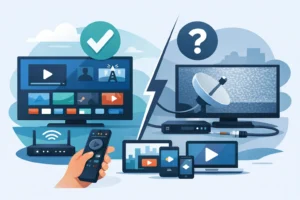
That is where IPTV stands out. Instead of juggling multiple bills and bouncing between platforms, viewers get a more consolidated entertainment setup. For cord-cutters, that means lower friction. For families, it means more viewing options. For sports fans, it means easier access to major events without building a custom subscription puzzle every season.
The trade-off is that not every IPTV service is equal. Some are easier to use than others. Some perform better at peak times. Some have cleaner libraries and stronger support. The right choice depends on what matters most to you – raw volume, local channels, sports, movie depth, or multi-device convenience.
Common Mistakes Buyers Make
One mistake is choosing only by price. Cheap service can look attractive until buffering starts, categories break, or support disappears after payment. Another is ignoring compatibility. A plan is only useful if it works well on the devices your household actually uses.
Many buyers also overestimate their setup. If your internet is unstable or your device is outdated, even a strong service may not perform at its best. It is smarter to match your subscription with hardware that can handle 4K playback properly.
Another common issue is buying a single-connection plan for a multi-person household. That usually causes conflict right away. If two or three people stream regularly, choosing the right connection count from the start saves time and avoids unnecessary upgrades.
Why Reliability Matters More Than Big Claims
The most attractive IPTV offer is not always the one with the biggest numbers. It is the one that works when you press play. For movie lovers and binge-watchers, reliability beats hype every time. Fast loading, stable streams, broad compatibility, and updated content create a better experience than oversized promises on a feature list.
That is why serious buyers should focus on practical performance. Does the platform stream cleanly in prime time? Is the app easy to navigate? Are movies and series updated often? Does it run on your preferred device? Can you get help quickly if needed? These questions matter more than inflated marketing language.
A provider such as PureVisionHD fits this shift in what buyers want – less setup friction, broader content access, 4K support, and dependable viewing across devices. For users replacing cable and cutting down on app overload, that kind of service solves a real problem.
If you want 4K entertainment at home, keep the decision simple: choose a service that gives you sharp picture quality, stable performance, and enough movie and series depth that you spend your time watching, not troubleshooting.