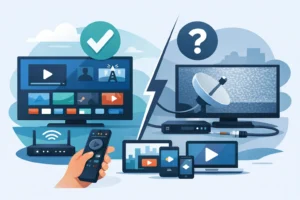
Saturday night fight card buffering in the final round is enough to make anyone cancel a service on the spot. That is why choosing the best IPTV plans for sports is not really about getting the biggest channel count. It is about getting the right live sports coverage, stable performance during peak hours, and a plan that fits how many people in your home are actually watching.
For sports fans in the U.S. and Canada, the wrong plan gets expensive fast. You end up paying for channels you never use, adding extra subscriptions for blackout workarounds, or sharing one connection across too many screens and wondering why the stream starts freezing at kickoff. A better plan keeps things simple – live sports where you want them, on the devices you already use, without cable pricing or streaming chaos.
What makes the best IPTV plans for sports
A sports-first IPTV plan should be judged differently than a movie-heavy or general entertainment package. Sports are live, time-sensitive, and less forgiving. If an on-demand movie loads a few seconds late, no one cares. If a live NFL game stutters on third-and-goal, that is a problem.
The first thing to check is actual sports coverage, not just marketing claims. A strong plan should include major North American leagues like NFL, NBA, NHL, MLB, and UFC, along with regional sports access where available. If your household follows more than one sport, broad coverage matters more than one premium event channel. A lot of services look good until you realize they carry the headline league but miss the regional or specialty feeds that fans actually need.
Stream stability matters just as much as channel count. The best IPTV plans for sports should be built for peak traffic. Big games create pressure on servers, and weak services fall apart right when viewership spikes. Anti-freeze performance, HD or 4K support where available, and reliable uptime are not bonus features for sports viewers. They are the baseline.
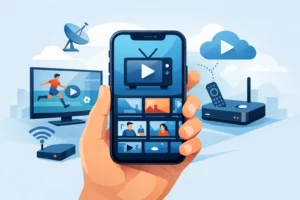
Then there is device flexibility. Many households do not watch sports on one screen anymore. One person has the game on a Smart TV, someone else checks another matchup on a tablet, and another user may want highlights or a different event on Firestick or Android. If a provider limits you to one device connection, it may look cheaper upfront but become frustrating within days.
The real difference between cheap plans and smart plans
Low monthly pricing gets attention, but the cheapest option is rarely the best value for sports. What matters is how the plan performs during live events and whether the package matches your viewing habits.
A one-device plan can be perfect for a solo viewer who watches one game at a time and wants a low-cost cable replacement. It becomes a bad deal if you are constantly logging devices in and out, or if family members compete for access during overlapping games. In that case, paying more for multi-device access is not overspending. It is solving the actual problem.
Longer-term plans also change the math. Monthly plans give you flexibility and are useful if you are testing service quality, channel depth, or app compatibility. But if you already know you will watch football, basketball, hockey, and fight nights year-round, a longer subscription usually brings better value. The trade-off is simple – lower monthly cost versus less short-term flexibility.
That is where a provider with tiered options stands out. A service like PureVisionHD appeals to sports viewers because it gives buyers room to choose based on duration and simultaneous devices instead of forcing a one-size-fits-all package. That is the smarter way to buy IPTV if live sports are your main reason for subscribing.
How to choose the right sports IPTV plan for your home
The best way to pick a plan is to start with behavior, not features. Ask yourself how sports are actually watched in your home.
If you live alone or stream mostly on one television, start with a single-connection plan and prioritize reliability, HD quality, and broad sports coverage. You do not need to pay for extra screens if they will sit unused. What you do need is consistent performance for live events and easy setup on the device you already own.
If you have a family household or follow multiple leagues at once, move up to a multi-device plan. This is especially useful during weekends when games overlap across sports. One screen might be carrying college football, another an NHL game, and another a UFC card. Multi-device support removes friction and makes the service feel like an actual replacement for cable instead of a workaround.
If you are a heavy sports viewer, look beyond one month. Seasonal fans can get by with shorter terms, especially if they only care about football season or playoff runs. But year-round fans usually save more with longer plans, and they avoid the hassle of renewing every few weeks.
Sports channels matter, but local access matters too
Many buyers focus on national sports coverage and forget local relevance. That is a mistake. A sports plan becomes much more useful when it includes local and regional channels alongside national coverage.
For many North American households, especially bilingual or multicultural homes, local channels are part of the value. You might want national game coverage, local pregame shows, French-language broadcasts, or regional sports commentary that cable used to bundle by default. A strong IPTV package should not force you to choose between broad coverage and local familiarity.
This matters even more for viewers in Canada who want Quebec channels along with U.S. sports coverage. A package that combines both is more practical than juggling separate services. It gives sports fans one place for live events, local news, and general entertainment when the games are over.
Stream quality during live events is the deal breaker
Every provider claims quality. Sports fans need proof in performance.
For live TV, HD should be considered standard, and 4K support is a real advantage when the source feed allows it. But resolution alone does not guarantee a better experience. Stable playback beats inflated quality claims every time. A 4K label means nothing if the stream buffers during overtime.
That is why anti-freeze technology, fast activation, and app compatibility are practical buying points. You want a service that works cleanly on Firestick, Android TV, Smart TVs, phones, tablets, and IPTV boxes without extra hassle. You also want setup to be fast. When someone subscribes before a big game, waiting around for access is not acceptable.
Support matters too, especially for users who are not trying to troubleshoot settings an hour before kickoff. A provider with responsive help gives buyers confidence that problems can be handled quickly. For sports viewers, that kind of reliability is part of the product.
Best IPTV plans for sports by viewer type
There is no single best package for everyone. The better question is which plan fits your type of sports viewing.
For solo viewers, the best option is usually a one-device plan with a shorter term if you are still testing quality. You keep costs down and focus on live channel access, smooth playback, and easy setup.
For couples or small households, two-device access often hits the sweet spot. It gives enough flexibility for overlapping viewing without paying for more screens than you need.
For families and serious sports households, multi-device plans are the strongest choice. They are better built for shared use, big game days, and mixed viewing habits across sports, movies, and live TV.
For year-round fans, longer subscriptions usually deliver the best value. If you know sports are a weekly habit, locking in a longer term makes more sense than chasing the cheapest month-to-month option and risking inconsistent service.
What to avoid when comparing sports IPTV plans
Do not get distracted by massive channel numbers if the sports lineup is weak. More is not better if the channels you care about are missing.
Do not assume every service handles peak traffic well. Sports place more pressure on infrastructure than general entertainment. If a provider is vague about uptime, support, or stream stability, that is a warning sign.
And do not ignore device limits. One of the most common mistakes is choosing the lowest-priced plan, then discovering it does not fit the household. If sports are shared in your home, device count is not a small detail. It is one of the main reasons a plan succeeds or fails.
The best IPTV plans for sports are the ones that stay reliable when the game is live, fit your screens without conflict, and give you the leagues and local access you actually watch. If a plan does those three things well, you are not just saving money compared to cable. You are getting a setup that finally works the way sports viewing should.